Get Rubber Roof Installation in Jacksonville, AL
Roofing contractors in Jacksonville, AL and nearby areas can install durable rubber roofs to repair leaks, prevent water damage, and handle flat or low-slope roof projects.
Property owners in Jacksonville, AL considering roof upgrades or repairs often find that rubber roofing offers a durable and reliable solution. Rubber roof installation can be a practical choice for those looking to enhance the protection and longevity of their buildings, whether for residential or commercial properties. Exploring local contractors who specialize in rubber roofing can help ensure that the project aligns with specific building needs and local climate considerations.
As you plan your roofing project, comparing options among nearby service providers can provide valuable insights into available expertise and solutions. Connecting with experienced contractors in the Jacksonville area allows property owners to gather information about different installation approaches and materials, helping to make informed decisions. Keep reading to discover how local professionals can assist with your rubber roof installation needs.
- Commercial buildings - businesses in need of durable roofing solutions for warehouses or retail spaces can benefit from professional rubber roof installation.
- Residential homes - homeowners seeking a long-lasting, waterproof roof upgrade for houses in neighborhoods like Northside or West End may consider rubber roofing options.
- Industrial facilities - factories and manufacturing plants requiring reliable roofing to withstand heavy use can find local contractors experienced in rubber roof installation.
- Renovation projects - property owners updating older structures or adding new extensions might need expert services to install rubber roofing systems.
- Flat roof repairs - buildings with flat roofs in areas such as Anniston or nearby communities may need specialized rubber roofing services for repairs or replacements.
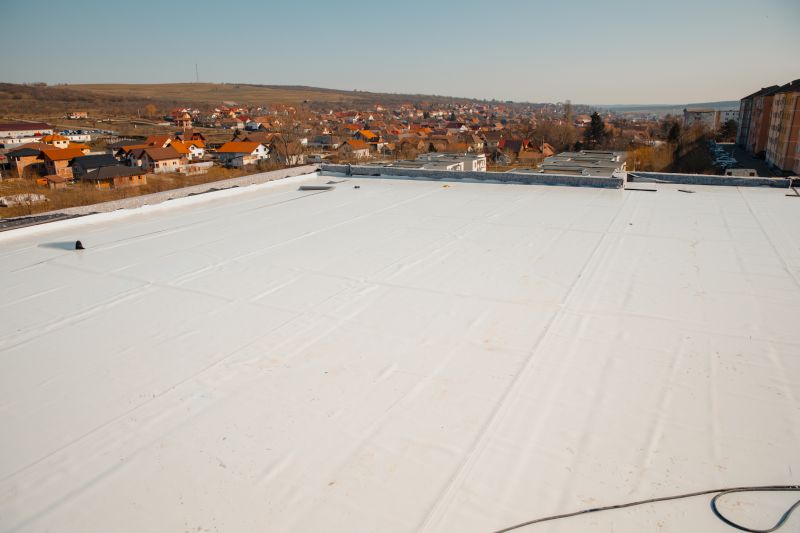
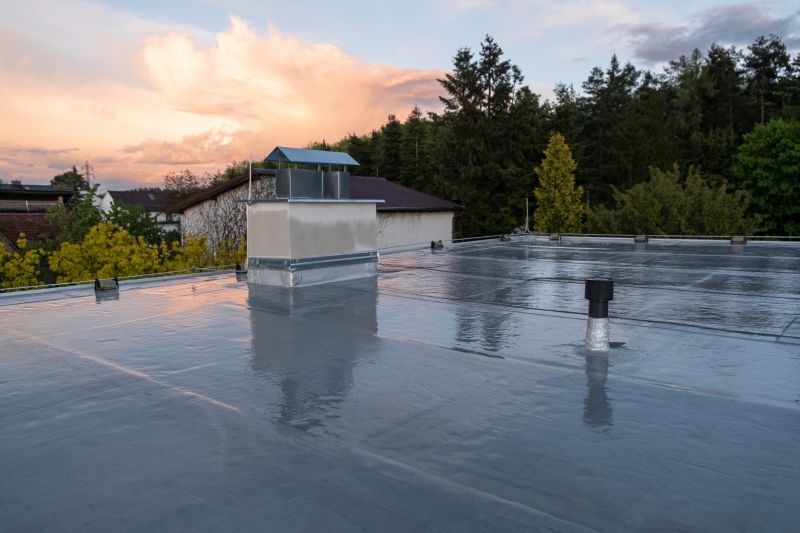
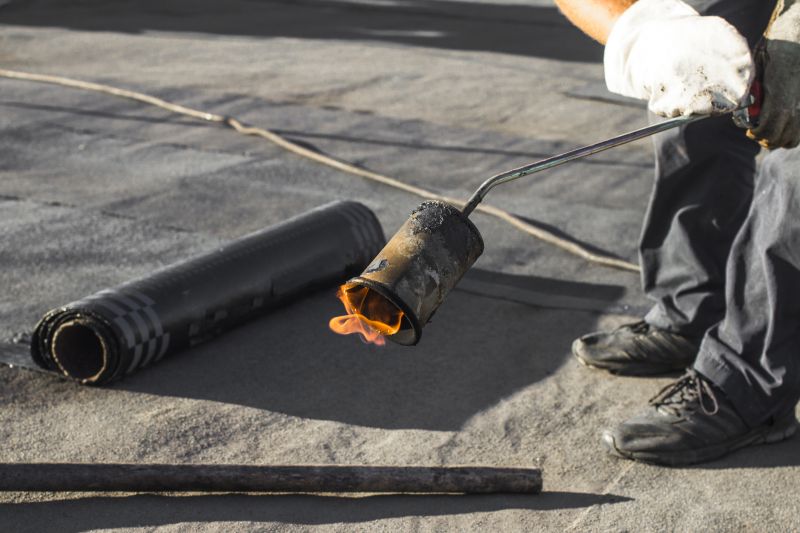
Rubber roof installation involves placing a durable, flexible membrane made from synthetic rubber material over a property's existing roof surface. This type of roofing is designed to provide a seamless, waterproof barrier that can withstand harsh weather conditions, including heavy rain, strong winds, and temperature fluctuations. The installation process typically includes preparing the existing roof surface, carefully laying out the rubber membrane, and sealing all edges and seams to ensure maximum protection. Skilled contractors focus on precise workmanship to create a long-lasting roof that minimizes leaks and prevents water intrusion.
This service is especially helpful for addressing common roofing problems such as leaks, cracks, or deterioration caused by age or weather exposure. Rubber roofs are highly effective at preventing water from seeping into the building, which can lead to structural damage, mold growth, or interior water stains. Additionally, rubber roofing can accommodate minor shifts or settling of the building without cracking or tearing, making it a practical solution for properties that experience ground movement or shifting foundations. For property owners facing ongoing roof repairs or seeking a reliable, low-maintenance roofing option, rubber roof installation offers a durable and cost-effective choice.
Properties that often utilize rubber roofing include commercial buildings, warehouses, and flat-roofed structures, but it is also suitable for residential homes with flat or low-slope roofs. Homeowners with aging or damaged roofs may consider rubber roofing as a way to enhance protection and extend the lifespan of their roof. It is particularly advantageous in areas prone to heavy rainfall or where a watertight seal is critical. Whether replacing an old roof or installing a new one on a commercial property, local contractors can provide the expertise needed to ensure the rubber roofing system is installed correctly and performs reliably over time.
Choosing to work with experienced service providers for rubber roof installation can help ensure the job is done properly and efficiently. These local contractors have the knowledge to assess the specific needs of each property, recommend the right type of rubber membrane, and handle all aspects of installation with attention to detail. Proper installation not only maximizes the roof’s durability but also helps prevent future issues like leaks or premature deterioration. Contacting trusted local pros can provide peace of mind that the project will be completed to high standards, helping protect the property and its occupants for years to come.
The overview below groups typical Rubber Roof Installation projects into broad ranges so you can see how smaller, mid-sized, and larger jobs often compare in Jacksonville, AL.
In many markets, a large share of routine jobs stays in the lower and middle ranges, while only a smaller percentage of projects moves into the highest bands when the work is more complex or site conditions are harder than average.
Smaller Repairs - Most minor repairs or patch jobs typically range from $250 to $600, covering small areas or quick fixes on rubber roofs. Many routine maintenance projects fall into this middle range, though costs can vary based on size and complexity.
Partial Roof Replacement - Replacing a section of a rubber roof usually costs between $1,500 and $3,500, depending on the size and materials used. Larger, more involved projects tend to push costs toward the higher end of this range.
Full Roof Replacement - Complete installation of a new rubber roof generally falls between $5,000 and $12,000 for most residential properties. Many projects land in the middle of this range, with larger or more complex roofs reaching higher prices.
Large or Complex Projects - Extensive or custom rubber roofing projects can exceed $15,000, especially for commercial buildings or roofs with unique features. These higher-tier costs are less common but are handled by local contractors for specialized needs.
Actual totals will depend on details like access to the work area, the scope of the project, and the materials selected, so use these as general starting points rather than exact figures.
Flat Roof Repairs - professionals skilled in repairing flat roofing systems often have experience with rubber roofing materials and waterproofing techniques.
Commercial Roofing Installations - local contractors who handle large-scale commercial roof projects are familiar with the planning and materials used in rubber roofing systems.
EPDM Roofing Projects - experts working with EPDM membranes share similar installation methods and tools as those used for rubber roof systems.
Roof Coating Applications - service providers applying protective roof coatings often work with rubber and membrane-based roofing materials to enhance durability.
Waterproofing Solutions - specialists providing waterproofing services for decks and foundations have skills applicable to rubber roofing installation planning and execution.
Membrane Roofing Services - contractors experienced in installing various membrane roofs possess the knowledge needed for rubber roof system projects.
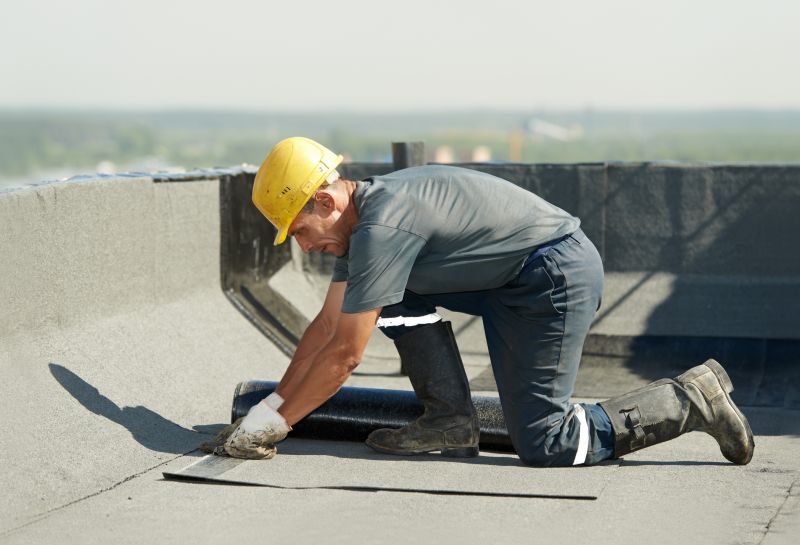
When evaluating contractors for rubber roof installation, it’s important to consider their experience with similar projects. Homeowners should inquire about the types of roofing jobs they have completed, especially those involving rubber or membrane roofing systems. An experienced service provider will have a track record of handling projects comparable in size and scope, which can help ensure the work is performed efficiently and effectively. Checking references or reviews from previous clients can provide insights into the contractor’s familiarity with rubber roofing and their ability to deliver quality results.
Clear communication is a key factor when choosing a local contractor for roof installation. Homeowners should seek providers who can articulate their process, materials, and expectations in straightforward, written terms. This clarity helps prevent misunderstandings and ensures that everyone is on the same page from the start. Good communication also includes responsiveness to questions and a willingness to discuss project details, which can be a sign of professionalism and reliability.
Reputable references and a history of good service are essential when comparing local contractors. Homeowners are encouraged to ask for references or examples of completed projects similar to theirs. Speaking with past clients can reveal how well the contractor manages projects, adheres to schedules, and handles any issues that arise. While the website introduces homeowners to local options, it’s important to remember that it does not perform the work itself. Instead, it serves as a resource to connect homeowners with qualified service providers who can handle the installation with expertise and professionalism.
Property owners in Jacksonville, AL use Rubber Roof Installation services for practical projects around their homes and businesses. This guide focuses on everyday jobs and straightforward project options.
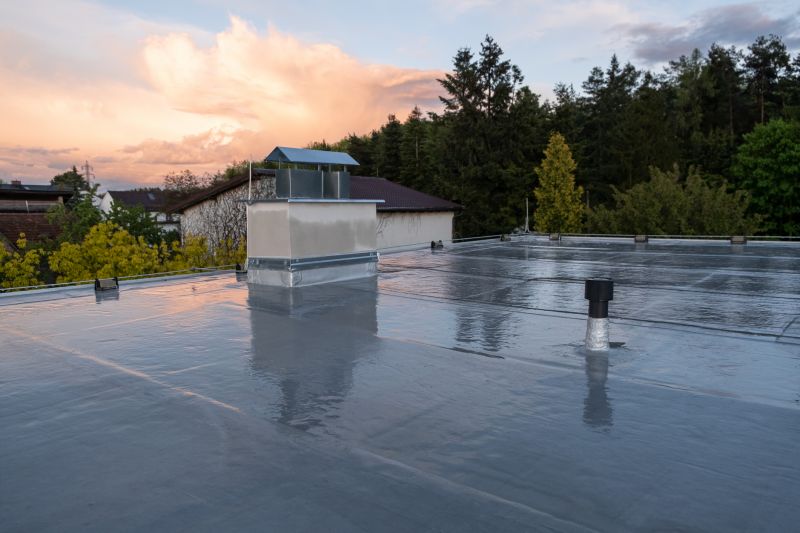
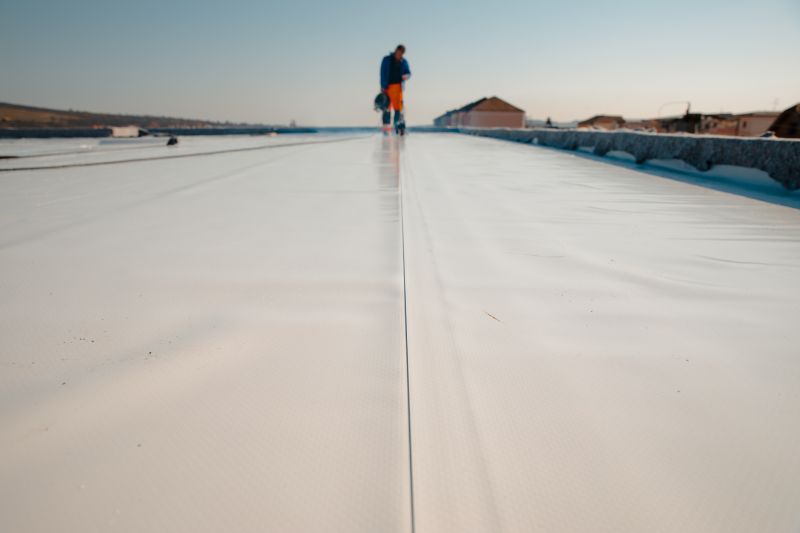
Property owners in Jacksonville, AL may seek rubber roof installation services when their existing roofing materials start to show signs of aging, leaks, or damage. Heavy rain, storms, or prolonged exposure to the elements can weaken older roofs, making replacement or new installation necessary to protect the property. Additionally, those building new structures or expanding existing ones might look for reliable local contractors who specialize in durable, weather-resistant roofing options like rubber to ensure their buildings are well-protected for years to come.
Many property owners consider rubber roof installation when they want a low-maintenance, long-lasting roofing solution that can withstand the local climate. Commercial buildings, warehouses, and even some residential properties may need this work after experiencing recurring leaks or damage from storms. Local contractors who are experienced in rubber roofing can help property owners evaluate their needs, recommend appropriate options, and handle the installation process to ensure a secure and weather-tight roof.
What are the benefits of installing a rubber roof? Rubber roofs are known for their durability, flexibility, and resistance to weather conditions, making them a popular choice for long-lasting roofing solutions.
How do local contractors typically install rubber roofing? Contractors usually prepare the existing roof surface, install a waterproof membrane, and secure the rubber membrane with adhesives or mechanical fasteners, ensuring a seamless and secure fit.
Is rubber roofing suitable for all types of buildings? Rubber roofing can be installed on various building types, including residential, commercial, and industrial structures, depending on the specific requirements and roof design.
What maintenance is required after rubber roof installation? Regular inspections for damage or leaks, keeping the roof clear of debris, and addressing any issues promptly are common maintenance practices recommended by local service providers.
Can a rubber roof be installed over an existing roof? In many cases, local contractors can install a rubber roof over an existing surface, but it depends on the condition and structure of the current roof; a professional assessment is advised.
Protecting a property’s interior from leaks - local contractors can install a durable rubber roof to prevent water intrusion during heavy rainstorms.
Upgrading an aging roof - property owners can have local service providers replace worn or damaged roofing with a reliable rubber membrane.
Preparing for seasonal weather changes - local pros can help ensure a roof is weather-resistant before winter or storm seasons begin.
Enhancing roof longevity - property owners can choose rubber roofing to extend the lifespan of their roof and reduce future repair needs.
If you are thinking about Rubber Roof Installation for a property in Jacksonville, AL, this guide is meant to help you understand the work, the typical project types, and how different options might fit your plans.
When you are ready, you can use the quote form on this page to share a few details about your project. From there, local pros can review the basics and respond with options that match what you have in mind.